
Electrical inspections are crucial to home maintenance, ensuring that your electrical system is safe, efficient, and up to code. Over time, wiring, outlets, and electrical panels can deteriorate, posing serious safety risks, including electrical fires, shocks, and power failures. Regular inspections help identify potential issues before they become dangerous or costly problems.
Neglecting electrical maintenance can lead to overloaded circuits, faulty wiring, and outdated components that may no longer meet safety standards. Homeowners who ignore inspections risk unexpected breakdowns, higher energy costs, and potential hazards that could compromise their family’s safety.
The frequency of electrical inspections depends on several factors, including the age of your home, recent renovations, and any signs of electrical problems. Whether you’re a new homeowner, living in an older house, or planning major electrical work, understanding when to schedule an inspection can save you from future headaches.
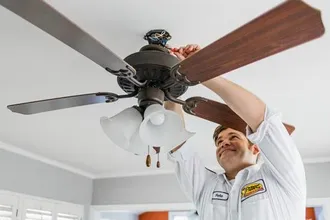
What Is an Electrical Inspection?
An electrical inspection is a detailed evaluation of a home or building’s electrical system to ensure it is:
- Safe for use
- Operating efficiently
- Compliant with local electrical codes
What Does an Electrical Inspection Include?
During an inspection, a professional will assess:
- Electrical Panel & Circuit Breakers – Checking for proper capacity, outdated panels, and breaker functionality
- Wiring & Connections – Identifying faulty, frayed, or outdated wiring that could pose a fire risk
- Outlets & Switches – Ensuring they are properly grounded and functioning correctly
- Grounding & Bonding – Verifying that electrical systems are safely grounded to prevent shocks
- GFCI & AFCI Protection – Checking for Ground Fault Circuit Interrupters (GFCIs) and Arc Fault Circuit Interrupters (AFCIs) in required areas
- Light Fixtures & Ceiling Fans – Inspecting for loose connections or faulty wiring
- Outdoor Electrical Systems – Evaluating weatherproofing and proper installation of outdoor outlets, lighting, and wiring
- Code Compliance – Ensuring all electrical components meet the National Electrical Code (NEC) and local regulations
Who Conducts an Electrical Inspection?
- Licensed Electricians – Certified professionals with the expertise to conduct detailed inspections, repairs, and system upgrades
- Home Inspectors – Typically assess electrical systems during real estate transactions but may not provide as in-depth an evaluation as a licensed electrician.
- City or County Inspectors – Required for new construction or significant electrical projects to ensure compliance with local building codes.
Common Issues Found During an Inspection
- Outdated electrical panels that may not support modern power demands
- Faulty or damaged wiring that increases fire and shock risks
- Overloaded circuits causing frequent tripping of breakers
- Lack of GFCI or AFCI protection in essential areas like kitchens, bathrooms, and outdoor spaces
- Improper grounding that could lead to electrical shocks
- DIY or unsafe electrical work from previous unpermitted modifications
Regular inspections help detect these issues early, preventing costly repairs and ensuring a safer home.
How Often Should You Schedule an Electrical Inspection?
Regular electrical inspections help ensure your home’s electrical system’s safety, efficiency, and compliance. The frequency of inspections depends on several factors, including the age of the house, recent renovations, and any electrical issues.
General Recommendation
- Most homes should have a professional electrical inspection every 3 to 5 years to identify potential hazards and ensure the system meets current safety codes.
New Homeowners
- If you’ve recently purchased a home, scheduling an electrical inspection as soon as possible is essential, especially if the house is older or the electrical system’s condition is unknown.
- A professional inspection ensures the home is safe and up to code, giving you peace of mind.
Older Homes
- Homes over 25 should be inspected more frequently, ideally every 2 to 3 years, as older wiring and outdated electrical panels may not meet modern safety standards.
- Aging systems are more prone to wear and tear, increasing the risk of electrical failures, shocks, and fires.
After Major Renovations
- Any home addition, remodel, or major electrical upgrade should be followed by an inspection to ensure new wiring, circuits, and panel upgrades comply with local codes and function safely.
- This is especially important for kitchen, bathroom, or outdoor renovations that involve additional appliances or increased electrical load.
Before Buying or Selling a Home
- Home sellers should schedule an electrical inspection before listing to address any issues that could affect the sale.
- Buyers should request an inspection before finalizing the purchase to avoid costly repairs and ensure the home’s electrical system is in good condition.
Following Electrical Issues
- An immediate inspection is necessary if you notice any of the following warning signs:
- Frequent breaker trips or blown fuses
- Flickering or dimming lights when using appliances
- Burning smells from outlets or electrical panels
- Buzzing or sizzling sounds from switches or outlets
- Warm or discolored outlets
- These issues could indicate faulty wiring, overloaded circuits, or failing components, which pose a serious fire risk.
You can protect your home, prevent costly repairs, and ensure a reliable power system by staying proactive with electrical inspections. If you’re due for an inspection, it’s best to schedule one with a licensed electrician as soon as possible.
Benefits of Regular Electrical Inspections
Keeping up with electrical inspections isn’t just about safety. It can also save money and improve efficiency. Here’s why they’re essential:
- Safety – Prevents electrical fires, shocks, and other hazards.
- Energy Efficiency – Identifies energy-wasting appliances and overloaded circuits.
- Code Compliance – Ensures your home meets current electrical codes and standards.
- Cost Savings – Catches minor issues early, preventing expensive repairs.

What Happens During an Electrical Inspection?
During an inspection, a licensed electrician will check key areas of your home’s electrical system to ensure safety and efficiency. Here’s what to expect:
- Electrical Panel & Circuit Breakers – Checked for proper function, capacity, and signs of overheating.
- Outlets, Switches & Wiring – Tested for damage, wear, or improper installation.
- Grounding & Surge Protection – Ensured protection against shocks and power surges.
- Light Fixtures & Ceiling Fans – Inspected for loose connections or faulty wiring.
- Outdoor Electrical Components – Evaluated for weatherproofing and proper function.
What’s Included in an Electrical Inspection?
A professional electrician will check key components of your electrical system to ensure safety and efficiency. Here’s what they assess:
- Electrical Panel & Breakers – Ensures your panel is up to date and functioning correctly.
- Wiring & Connections – Identifies faulty, frayed, or outdated wiring that could be a fire risk.
- Outlets & Switches – Checks for proper grounding and safe operation.
- Grounding & Surge Protection – Confirms your system is protected against shocks and power surges.
- GFCI & AFCI Protection – Verifies that safety outlets are installed where required.
- Light Fixtures & Ceiling Fans – Inspect for loose connections or faulty wiring.
- Outdoor Electrical Systems – Evaluate weatherproofing and safe installation of outdoor outlets and lighting.
- Code Compliance – Ensures everything meets the latest National Electrical Code (NEC) standards.
Regular inspections help prevent electrical hazards and keep your home up to code. If you’re due for one, schedule an inspection today!
Don't Wait for an Electrical Emergency – Get Inspected Today!
Regular electrical inspections are essential for keeping your home safe, energy-efficient, and up to code. They help prevent hazards like electrical fires, shocks, and overloaded circuits while ensuring your system runs smoothly.
If it’s been more than five years since your last inspection or if you’ve noticed flickering lights, tripping breakers, or other warning signs, it’s time to schedule one. A quick inspection can catch minor issues before they turn into costly repairs.
Don’t wait until there’s a problem! Contact Mister Sparky Huntsville today to schedule a professional electrical inspection and keep your home safe.